Heat Pump vs Furnace
Which Heating System Is Better for Washington State Homes
Homeowners across Washington State often ask the same question when replacing an aging system, "Should I install a heat pump or replace my furnace?"
The answer depends on your home, energy costs, comfort expectations, and long-term plans. This guide breaks down the differences clearly so you can make the right decision with confidence.

How a Furnace Works
A furnace generates heat by burning fuel such as natural gas or propane, or by using electric resistance heating. That heat is distributed through ductwork to warm your home.
Furnaces are known for
• Strong heat output
• Fast temperature recovery
• Familiar technology
Gas furnaces remain common in older Washington homes, especially those already connected to natural gas.
How a Heat Pump Works
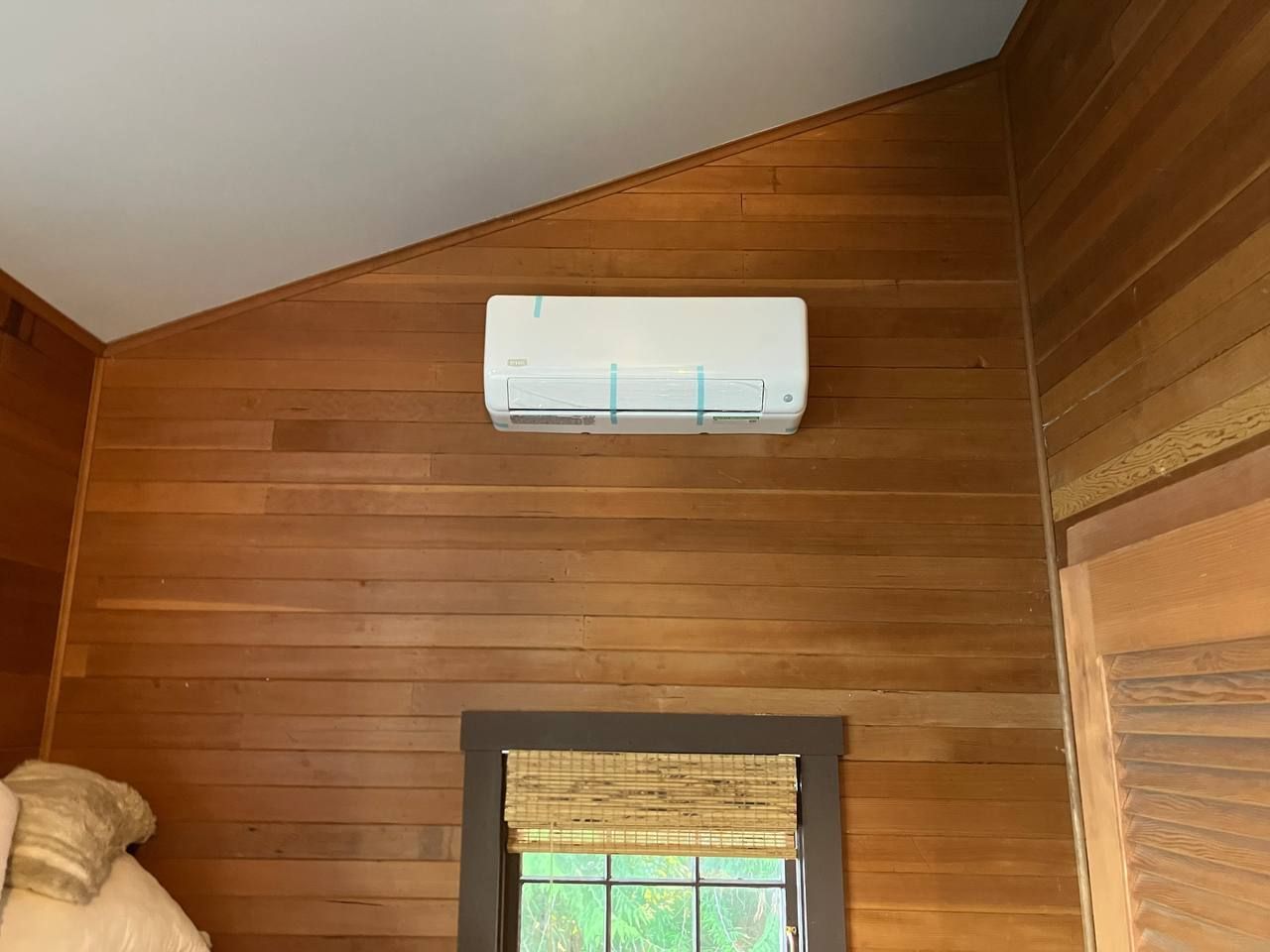
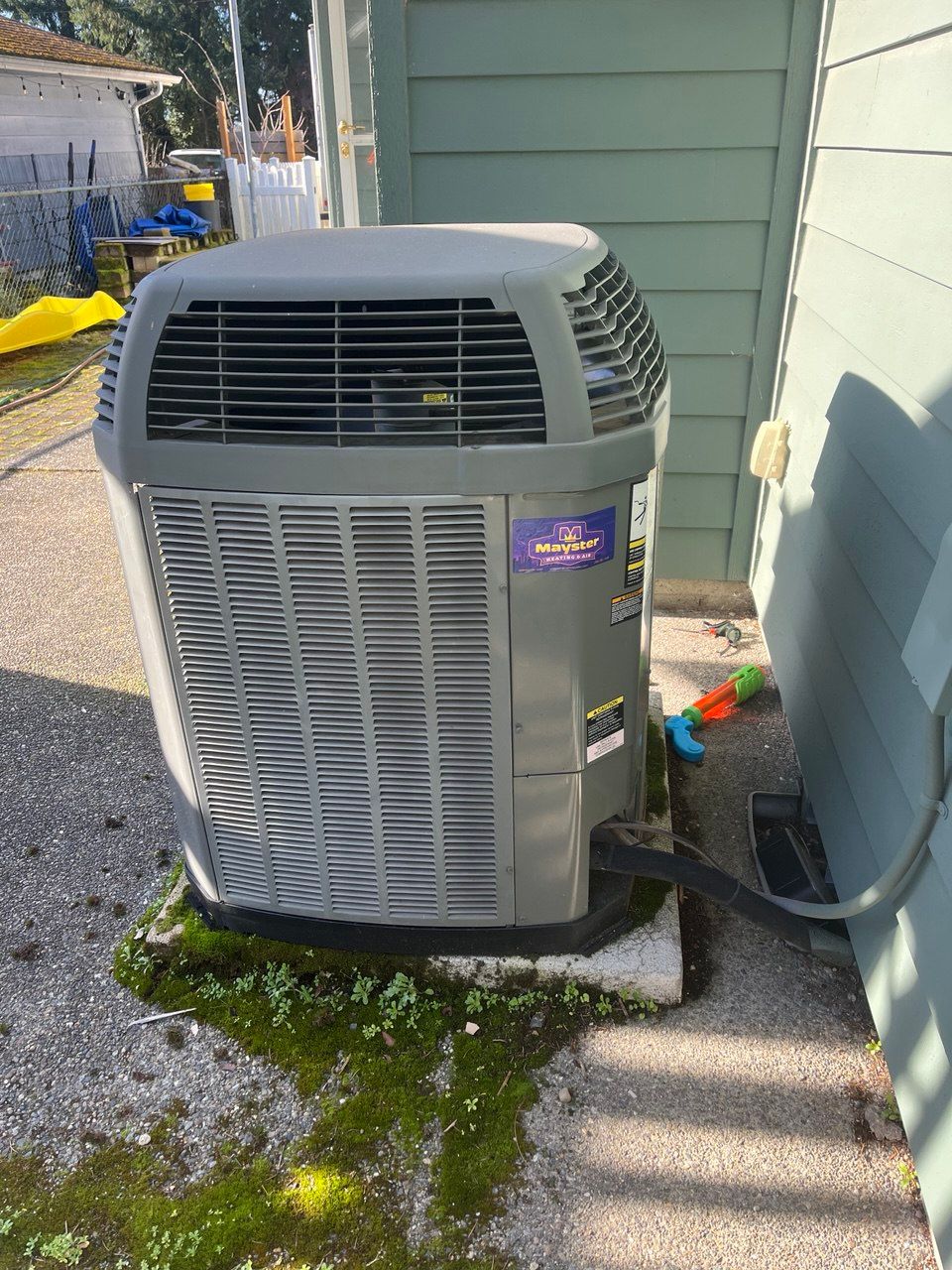
A heat pump does not create heat. Instead, it transfers heat from outside air into your home in winter and reverses the process for cooling in summer.
Key advantages of heat pumps
• One system for heating and cooling
• Higher energy efficiency
• Lower operating costs in mild climates
• Reduced reliance on fossil fuels
Modern cold-climate heat pumps perform exceptionally well in the Pacific Northwest.
Efficiency Comparison
Heat Pump vs Furnace
Efficiency is one of the biggest differences between these systems.
Furnace efficiency
Measured by AFUE. Even high-efficiency furnaces typically max out around 96 percent.
Heat pump efficiency
Measured by HSPF and SEER. Heat pumps can deliver 200 to 400 percent efficiency because they move heat rather than generate it.
In Washington State’s climate, heat pumps often operate at peak efficiency for most of the year.
Operating Cost Comparison in Washington State
Because electricity rates are relatively stable and winters are moderate, heat pumps often cost less to operate than gas furnaces over time.
Heat pumps may save homeowners
• On monthly heating costs
• On cooling costs (no separate AC needed)
• On long-term
maintenance
Homes with older or inefficient furnaces often see immediate cost improvements after switching to a heat pump.
Comfort Differences You Should Know About
Furnaces
• Produce hotter supply air
• Heat quickly during cold snaps
• Can feel drier in winter
Heat pumps
• Provide steady, even temperatures
• Avoid temperature swings
• Improve overall comfort consistency
Many homeowners prefer the even warmth of a heat pump once properly sized and installed.
Installation Cost Comparison
Furnace replacement
Often lower upfront cost if gas infrastructure already exists
Heat pump installation
Higher upfront cost but includes heating and cooling in one system
When rebates, tax credits, and energy savings are included, heat pumps often close the price gap significantly.
Environmental Impact
Heat pumps produce no on-site emissions and can run entirely on electricity, making them a cleaner option.
For homeowners focused on
• Reducing carbon footprint
• Future-proofing their home
• Increasing resale appeal
Heat pumps offer a clear advantage.
Which System Is Better for Your Home
A heat pump may be ideal if
• You want heating and cooling in one system
• You value efficiency and long-term savings
• Your home is reasonably insulated
• You want access to rebates and incentives
A furnace may still make sense if
• You strongly prefer gas heat
• Your home already has newer gas infrastructure
• You experience frequent extreme cold
Many Washington homeowners choose a hybrid system, combining a heat pump with backup heat for the best of both worlds.
Final Verdict
Heat Pump or Furnace
For most Washington State homes.
A heat pump is the better long-term choice
But the best system is the one that fits your home, budget, and comfort goals. A professional evaluation makes all the difference.
Not Sure Whether a Heat Pump or Furnace Is Right for Your Home?
Call (206) 492-4215 to schedule a consultation or use our online estimator. We will help you compare options, understand pricing, financing, and choose the system that makes the most sense moving forward.